
"not as good as"
40000 article(s) found
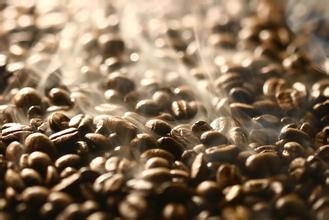
How to make a good cup of coffee technology is the soul of coffee
When we go to a cafe, we often see a double-ended machine and a professional bean grinder, but does the coffee satisfy you? maybe you will say: the beans are not good enough for me. With a good machine, you can't make good coffee without good beans. I think everyone basically knows this, but with good machines and good beans, can you certainly make good coffee? In the last two years, everyone should know

How to make a good siphon coffee
1. Siphon coffee is best made without hot water or boiled water, because the more dissolved oxygen in the water (there is almost no dissolved oxygen in hot and boiled water) and the higher the hardness of calcium and magnesium ions in the water (calcium and magnesium ions, not copper, iron, lead and mercury ions), the deeper the metasomatism replacement reaction between water and the good substances in coffee powder, the easier it is to replace the good taste. I added a high calcium and magnesium ion here.
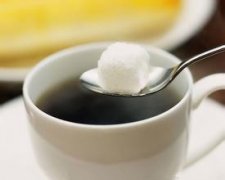
How to make a good siphon coffee
1. Siphon coffee is best made without hot water or boiled water, because the more dissolved oxygen in the water (there is almost no dissolved oxygen in hot and boiled water) and the higher the hardness of calcium and magnesium ions in the water (calcium and magnesium ions, not copper, iron, lead and mercury ions), the deeper the metasomatism replacement reaction between water and the good substances in coffee powder, the easier it is to replace the good taste. I added a high calcium and magnesium ion here.

A brief introduction to the treatment method of grinding degree and baking degree of Latin American boutique coffee beans with excellent balanced performance
Columbia (Colombian) aroma 3.5 minutes brightness 4.5 minutes mellow 3.5 minutes flavor 4.5 minutes aftertaste 4.5 points suitable for roasting: Medial/City/Full city/Espresso/Dark/French Columbia beans are one of the few coffee beans that range from shallow roasting to very deep roasting, ranging from light roasting to deep roasting sweetness, in such a wide range.

A brief introduction to the cultivation of Latin American boutique coffee beans with thick flavor, geographical location, climate and altitude
Guatemala (Guatemala) aroma 3.5 minutes brightness 4.5 minutes mellow 3.5 minutes flavor 4.5 minutes aftertaste 4.5 points suitable for baking: Light/Medial/City shallow roasting, city degree can best show the characteristics of Guatemalan coffee, too deep will reduce the fruit flavor, if you like the smoky flavor, you can bake close to the second explosion, but still do not enter the second explosion as the principle. Because of beauty

Characteristics of Latin American coffee beans Latin American coffee flavor
Latin America (Latin America) in 1721 French naval officer de Klee (Gabriel Mathieu de Clieu) experienced difficulties and obstacles to bring the first coffee sapling from Africa to the Latin American island of Martinique, which was the origin of coffee cultivation in Latin America. Because at that time, France was under the reign of the Bourbon dynasty, and what was grown in Latin America
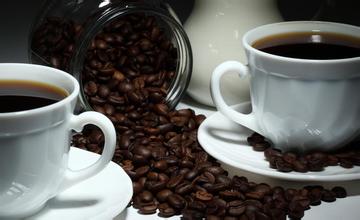
Characteristics of Latin American coffee beans Latin American coffee flavor
Latin America (Latin America) in 1721 French naval officer de Klee (Gabriel Mathieu de Clieu) experienced difficulties and obstacles to bring the first coffee sapling from Africa to the Latin American island of Martinique, which was the origin of coffee cultivation in Latin America. Because at that time, France was under the reign of the Bourbon dynasty, and what was grown in Latin America
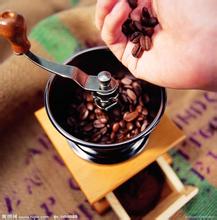
Characteristics of Latin American coffee beans Latin American coffee flavor
Latin America (Latin America) in 1721 French naval officer de Klee (Gabriel Mathieu de Clieu) experienced difficulties and obstacles to bring the first coffee sapling from Africa to the Latin American island of Martinique, which was the origin of coffee cultivation in Latin America. Because at that time, France was under the reign of the Bourbon dynasty, and what was grown in Latin America

A brief introduction to the cultivation of clean and compact Latin American boutique coffee beans, geographical location, climate and altitude
Costa Rica (Costa Rica) aroma 3.5 minutes brightness 4.5 minutes mellow 3 minutes flavor 4.5 minutes aftertaste 4.5 minutes suitable for baking degree: Light/Medial/City wants to show Costa Rican perfectly balanced flavor, then absolutely not deep baking, it is recommended that City degree, even the first explosion can be the end of the beans, when the aroma and flavor will be both, close to the second explosion is the deepest baking

A brief introduction to the cultivation of Latin American boutique coffee beans with excellent balanced performance, geographical location, climate and altitude
South American countries have switched to altitude classification, and only Colombia maintains this traditional classification system, which many Colombian coffee makers have recognized and have begun to demand a change in the classification system. Colombia's famous producing areas include Medellin, Armenia and Manisales, so the word MAM is sometimes seen on coffee bags.

Introduction to the characteristic Flavor planting areas of Coffee beans in Latin America
For professional baristas, please pay attention to the coffee workshop (Wechat official account cafe_style) Salvador (El Salvador) aroma 4 minutes brightness 4.5 minutes mellow 3 minutes flavor 4.5 minutes aftertaste 4.5 minutes suitable for roasting degree: if City/Full city city has a preference for heavy flavor, it can be roasted a little deeper. Most people think of El Salvador as a war.

A brief introduction to the description of flavor, taste and aroma characteristics of Latin American boutique coffee beans with thick sweet taste
El Salvador (El Salvador) aroma 4 minutes brightness 4.5 minutes mellow 3 points flavor 4.5 points aftertaste 4.5 points suitable for baking degree: if City/Full city city has a preference for heavy flavor, you can bake it a little deeper. Most people think of El Salvador as a place with frequent wars, but it is true that years of civil war have made El Salvador's coffee beans

Know what coffee beans taste good or not. Do you know which Starbucks coffee beans taste good?
Professional coffee knowledge exchange more information on coffee beans Please follow the coffee workshop (Wechat official account cafe_style) the culprit of coffee bitterness-roasting when we talk about the bitter taste of coffee, we often think of roasting, but in fact some bitterness is also related to raw beans. The raw coffee bean itself is not bitter, and the bitterness of coffee comes from the process of turning raw beans into ripe beans, that is, coffee beans.
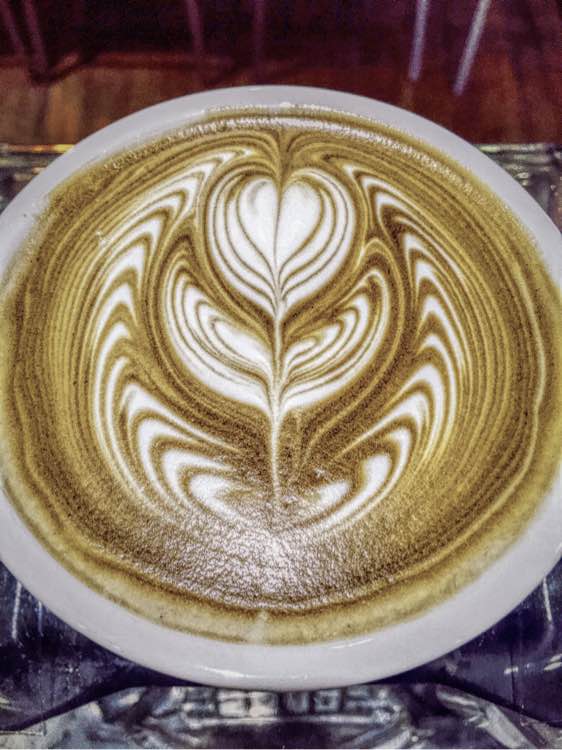
How to make a good cup of coffee Coffee Network recommends the sun Yega Xuefei Adordo Ethiopia Guido
1. Coffee is fresh enough. First of all, we still have to emphasize the freshness of coffee. Although fresh itself is not a standard of good coffee itself, you can taste it only if the coffee is fresh enough. Fresh coffee is not necessarily good coffee, but good coffee must be fresh. It should be understood in this way. Coffee with the passage of time, its health

A brief introduction to the history and culture of the origin and development of Latin American boutique coffee beans with thick flavor
Guatemala (Guatemala) aroma 3.5 minutes brightness 4.5 minutes mellow 3.5 minutes flavor 4.5 minutes aftertaste 4.5 points suitable for baking: Light/Medial/City shallow roasting, city degree can best show the characteristics of Guatemalan coffee, too deep will reduce the fruit flavor, if you like the smoky flavor, you can bake close to the second explosion, but still do not enter the second explosion as the principle. Because of beauty
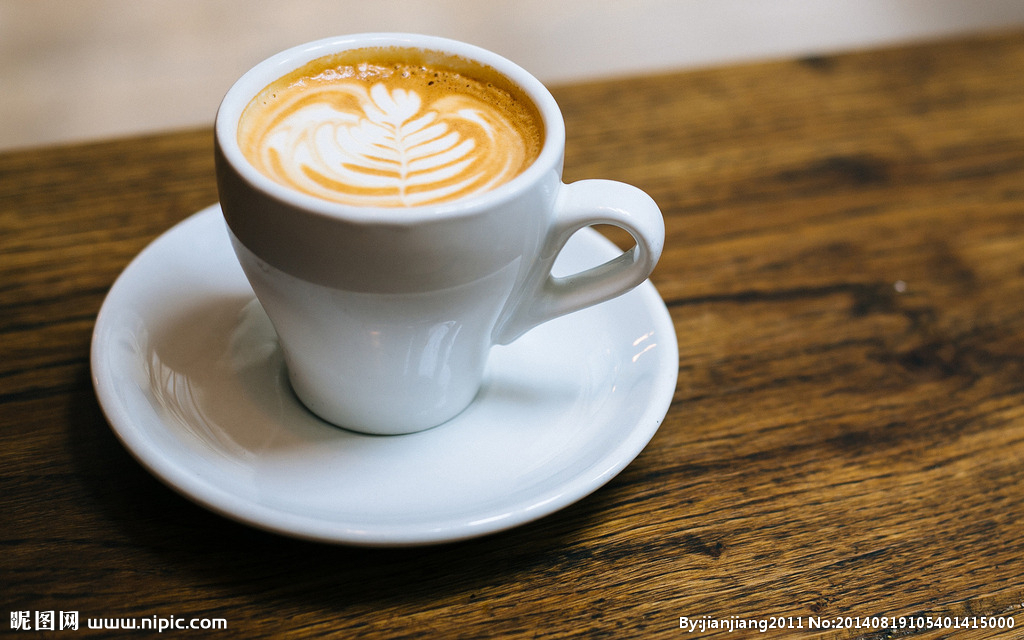
Latin American coffee flavor Latin American coffee characteristics Latin American coffee taste
Latin America (Latin America) in 1721 French naval officer de Klee (Gabriel Mathieu de Clieu) experienced difficulties and obstacles to bring the first coffee sapling from Africa to the Latin American island of Martinique, which was the origin of coffee cultivation in Latin America. Because at that time, France was under the reign of the Bourbon dynasty, and Elaraby was grown in Latin America.
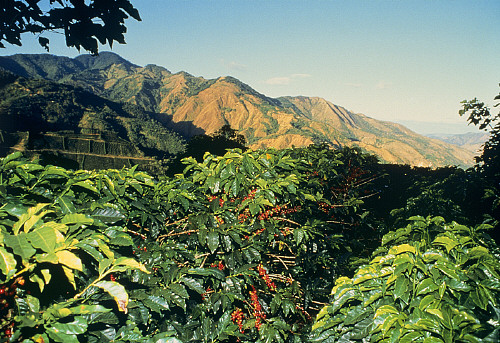
Introduction of boutique coffee producing area in Latin America
Latin America (Latin America) in 1721 French naval officer de Klee (Gabriel Mathieu de Clieu) experienced difficulties and obstacles to bring the first coffee sapling from Africa to the Latin American island of Martinique, which was the origin of coffee cultivation in Latin America. Because at that time, France was under the reign of the Bourbon dynasty, and what was grown in Latin America
Coffee of origin in Colombia
As you know, Colombian coffee has high sales and recognition in the United States. Colombian coffee has been equated with "good" coffee in the United States. The credibility of the above statement is about half. Colombian coffee is generally well-balanced, has a good consistency and has a bright sour and spicy taste. But a lot of Colombian coffee is a little boring:

Introduction of boutique coffee beans Latin American coffee
Latin America (Latin America) in 1721 French naval officer de Klee (Gabriel Mathieu de Clieu) experienced difficulties and obstacles to bring the first coffee sapling from Africa to the Latin American island of Martinique, which was the origin of coffee cultivation in Latin America. Because at that time, France was under the reign of the Bourbon dynasty, and Elaraby was grown in Latin America.

Latin American coffee bean characteristics Latin American coffee flavor Latin American coffee theme
Latin America (Latin America) in 1721 French naval officer de Klee (Gabriel Mathieu de Clieu) experienced difficulties and obstacles to bring the first coffee sapling from Africa to the Latin American island of Martinique, which was the origin of coffee cultivation in Latin America. Because at that time, France was under the reign of the Bourbon dynasty, and what was grown in Latin America